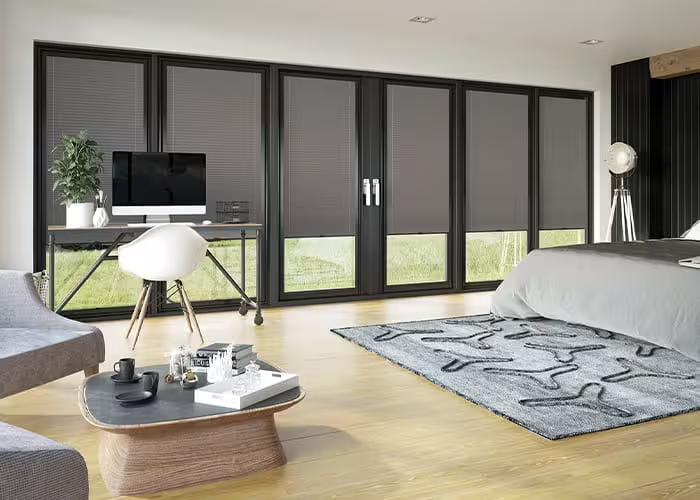
Energy efficiency focused measuring
We assess your window type and recess depth to position the blind for effective insulation and minimal heat transfer.
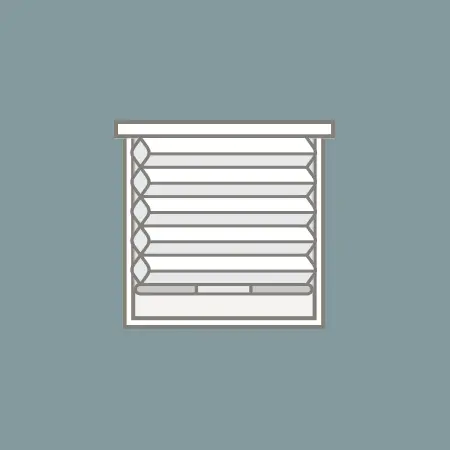
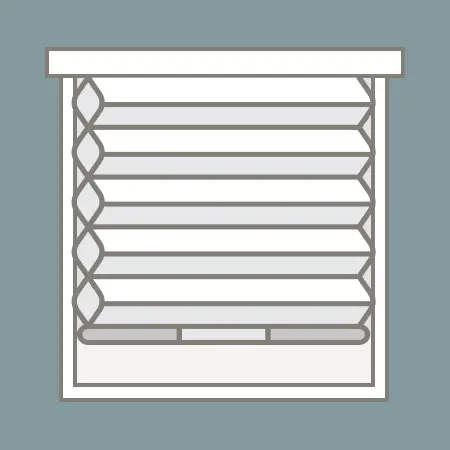
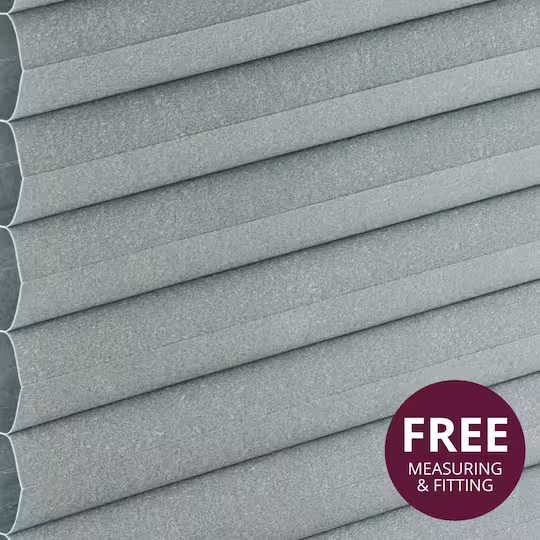
Formed from pleated fabric that creates insulating air pockets, honeycomb blinds sit close to the window within a slim operating system.
Honeycomb blinds help regulate heat loss and glare by trapping air within the cellular structure while still allowing controlled levels of natural light.
We assess your window type and recess depth to position the blind for effective insulation and minimal heat transfer.
Available in sheer, dim-out, and blackout fabrics so rooms can remain bright, softly lit, or darkened when required.
Operating systems are selected to keep the blind stable and easy to adjust, including child-safe and tensioned designs for doors.
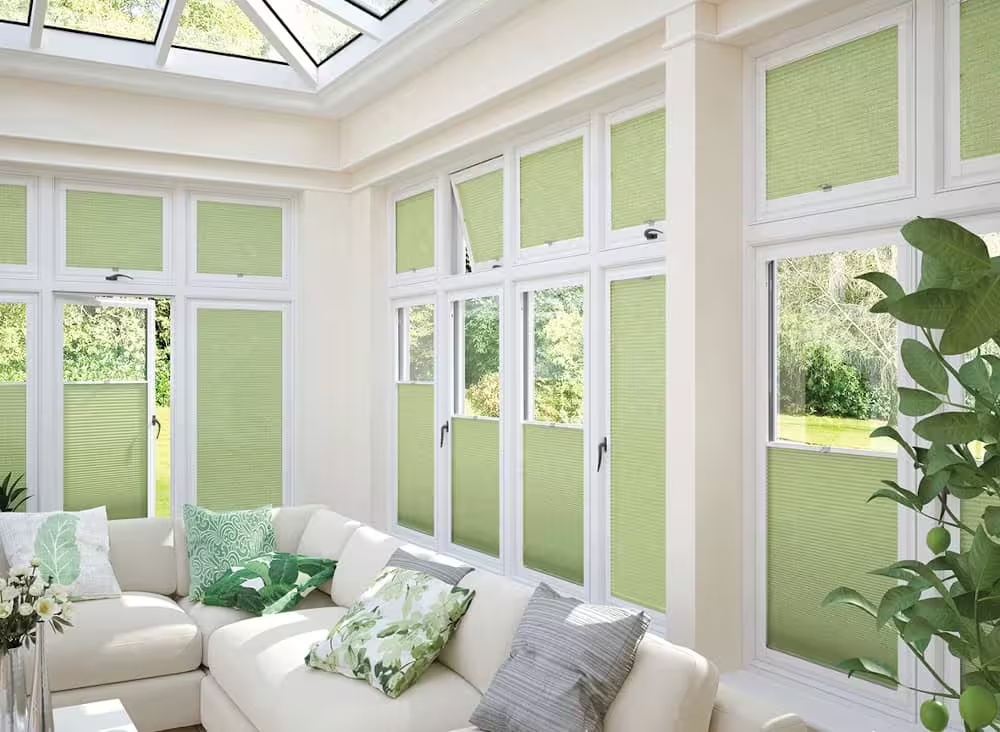
Manufactured to fit closely against the frame, helping reduce draughts and temperature fluctuation.
The cellular structure can help soften echo in rooms with hard surfaces such as kitchens or extensions.
Uniform external backing maintains a consistent look across the outside of your home regardless of interior fabric colour.
Honeycomb blind pricing depends on the fabric structure and performance features chosen.
Cell depth, lining type, and control options all play a part in the final cost.
With options focused on both comfort and appearance, there are solutions suited to a variety of spaces and budgets.
50cm (500mm) W x 90cm (900mm) H
Prices From:
measured & fitted
95cm (950mm) W x 120cm (1200mm) H
Prices From:
measured & fitted
180cm (1800mm) W x 120cm (1200mm) H
Prices From:
measured & fitted
Choosing made-to-measure honeycomb blinds adds an insulating layer at the window to help manage temperature and glare throughout the day.
A structured fabric system designed to improve comfort while keeping the window area clean and uncluttered.
hen comfort and temperature stability matter, the internal structure of a blind becomes just as important as its appearance.
Some coverings mainly shade a room, while others help limit heat loss and glare throughout the year.
Honeycomb blinds are designed around insulation, whereas many alternatives focus primarily on light blocking.
| Feature | Honeycomb Blinds | Roller Blinds | Venetian Blinds |
|---|---|---|---|
| Thermal insulation | Very effective | Limited | Minimal |
| Glare reduction | Soft diffusion | Direct blocking | Directional |
| Energy efficiency | Helps retain heat | Minor effect | Minimal effect |
| Noise softening | Noticeable | Little | None |
| Appearance | Soft and uniform | Flat fabric | Structured slats |
Honeycomb blinds are typically selected for comfort and temperature control, so many questions relate to insulation and daily living benefits.
Yes. The cellular structure traps air within the fabric pockets, slowing heat transfer through the glass and helping rooms retain warmth in colder weather.
They can also limit solar heat gain by diffusing sunlight, which helps rooms feel cooler during bright conditions.
Blackout fabric options are available and are commonly used in bedrooms to reduce incoming light while still benefiting from insulation.
The layered air pockets can slightly soften external sound, which may improve comfort in busier areas.